6 Data Structures Fashion AI Platforms Use to Represent a Garment
A technical breakdown of the six internal data representations—from panel graphs to attribute trees—that power modern fashion AI and 3D simulation platforms.
Read moreLatest articles from AIFashion.tech.
A technical breakdown of the six internal data representations—from panel graphs to attribute trees—that power modern fashion AI and 3D simulation platforms.
Read more
A deep-tech walkthrough of the computer vision architectures that drive image-based virtual try-on, from human pose keypoints to geometric garment warping.
Read more
A fashion image generator has more than one latent space, and only one of them is spatial. What each encodes, how interpolation and masked editing expose the structure, and why texture, trims and layers break.
Read more
An engineering-first breakdown of the data pipelines that convert millions of social images into quantified, actionable fashion trend scores.
Read more
A deep-tech analysis of how physical textile measurements—bending stiffness, shear modulus, and surface friction—are translated into numeric constraints for position-based dynamics solvers.
Read more
Attention weights are computed over image tokens, not pixels. What that means for garment attribute tagging: per-attribute queries, the patch-grid ceiling on texture and trims, and why layered outfits need segmentation first.
Read more
Platform architects at fashion groups face a real fork: Azure OpenAI for managed model serving inside the Microsoft ecosystem, or Databricks for a unified data-and-AI lakehouse. Here is what each choice actually means in production.
Read more
A technical comparison of Browzwear and Marvelous Designer on simulation architecture, PLM integration surface, file format support, and workflow fit — for engineers and digital product managers making a platform decision.
Read more
Documenting the structural and technical risks of AI deployment in the fashion industry, including workforce displacement, IP erosion, and the failure modes of virtual try-on technology.
Read more
A technical breakdown of eight tools shipping real-time 3D garment rendering to production environments, from interactive configurators to virtual showrooms.
Read more
Distinguish between generic LLM wrappers and genuine fashion-domain AI by evaluating taxonomy depth, geometric fidelity, and enterprise data isolation.
Read more
An evaluation of four leading PLM platforms on their architectural readiness for AI integration, focusing on API depth, data model flexibility, and 3D asset support.
Read more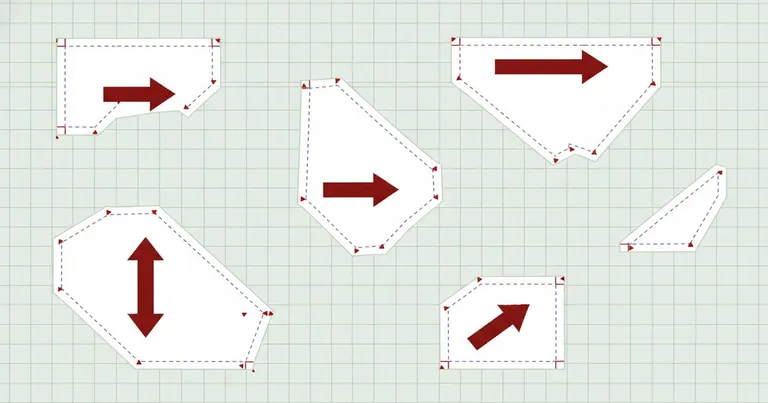
Most AI-generated pattern sets look convincing on screen and fail the moment a cutter opens them. Here are the six requirements that actually matter—and which tools document each one.
Read more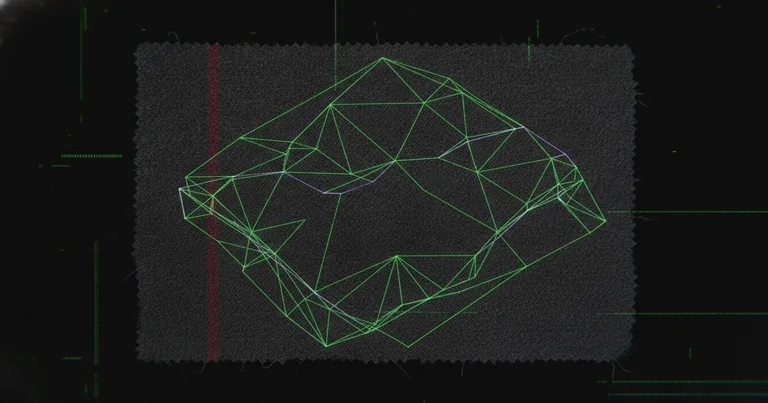
Bridging the gap between soft-goods design and hard-code engineering requires precise terminology for drape, BRDF, FEA solvers, and garment meshes.
Read more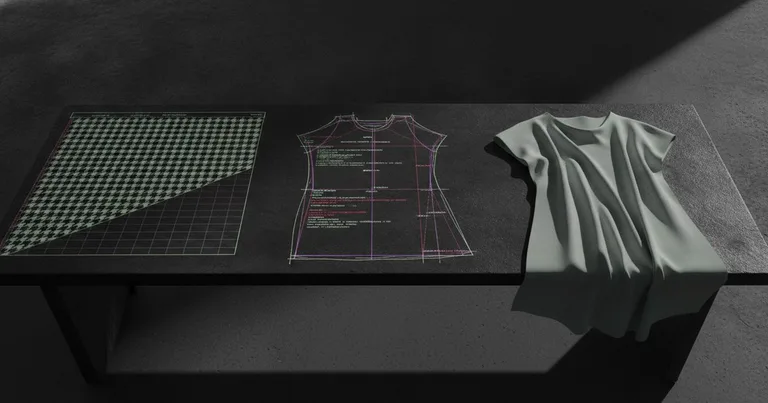
Cellular automata, parametric models, adversarial synthesis and diffusion each generate a different artefact. A map of what every approach emits, where it fits in a garment pipeline and where it breaks down.
Read more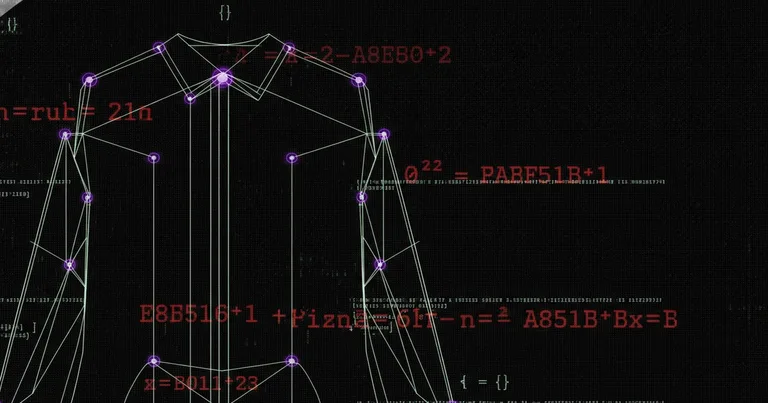
Engineering automated fashion workflows requires a deep understanding of parametric geometry and standardized data formats. We analyze five open-source and professional tools that provide the technical surface area needed for modern pattern automation.
Read more
As generative AI matures, fashion enterprises are moving from ad-hoc experimentation to structured governance. We analyze six organizational patterns currently used by global groups to manage model risk and deployment.
Read more
An engineering-focused breakdown of why high-fidelity fabric simulation remains a bottleneck for production-grade fashion pipelines, from solver divergence to measurement noise.
Read more
Eight computer vision tasks that are genuinely in production at fashion companies, each with the model class engineers reach for and the failure mode that eventually shows up.
Read more
A technical walkthrough for compliance engineers to audit fashion-tech AI systems against the EU AI Act’s risk tiers and documentation standards.
Read more
A technical guide for integration engineers on connecting 3D garment outputs to PLM systems like Centric and Backbone for automated approval pipelines.
Read more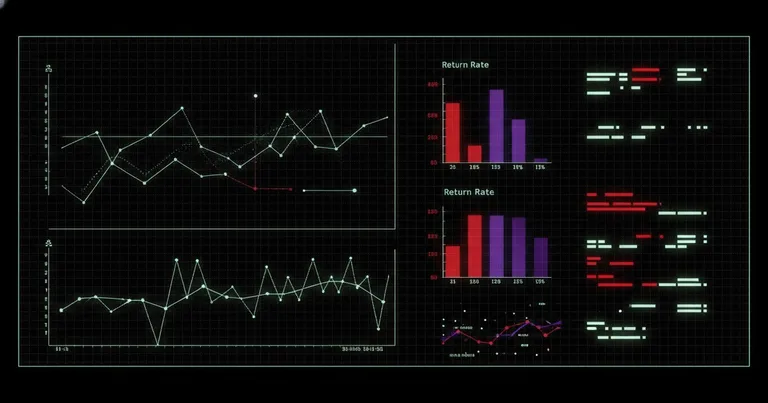
Isolating the impact of virtual try-on on return rates requires more than a simple before-and-after comparison. This guide details the data architecture and statistical models needed to prove causal reduction.
Read more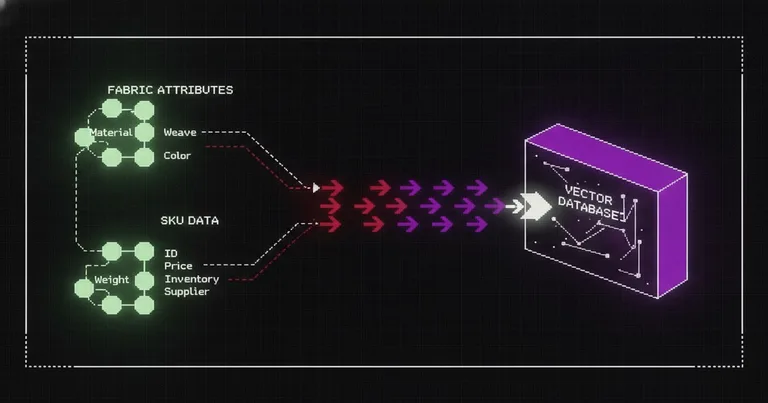
A technical deep-dive into building Retrieval-Augmented Generation (RAG) pipelines specifically for fashion catalogs, ensuring SKU attribute coherence and precise fabric retrieval.
Read more
A practitioner walkthrough for fine-tuning a pre-trained vision transformer on garment attributes: schema design, dataset splits, training config, per-class evaluation and shipping predictions with provenance.
Read more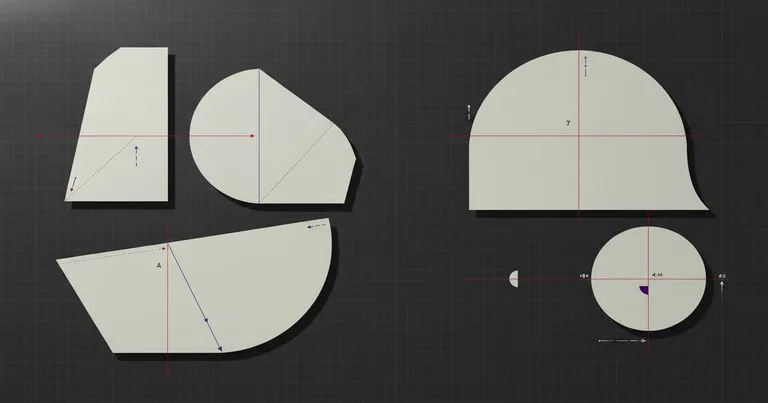
Three distinct architectures produce garment patterns algorithmically. This piece breaks down what each one emits, where it fails, and which teams should run which approach.
Read more
Brands are shipping AI into catalogues, imagery and sourcing faster than they can prove what a model did. The gap is lineage, evaluation and sign-off, not compute.
Read more
A technical breakdown of four production-ready AI photography workflows, evaluating the trade-offs between garment integrity, latency, and brand control.
Read more
A generative design loop lives or dies on one step: turning a designer's objection into a conditioning signal. Here are the feedback channels, the loop state worth keeping, and the failure modes.
Read more
Sketch-to-3D garment tools break on ambiguous strokes, construction detail the drawing never held, and a scale nobody wrote down. Each failure has a different architectural fix.
Read more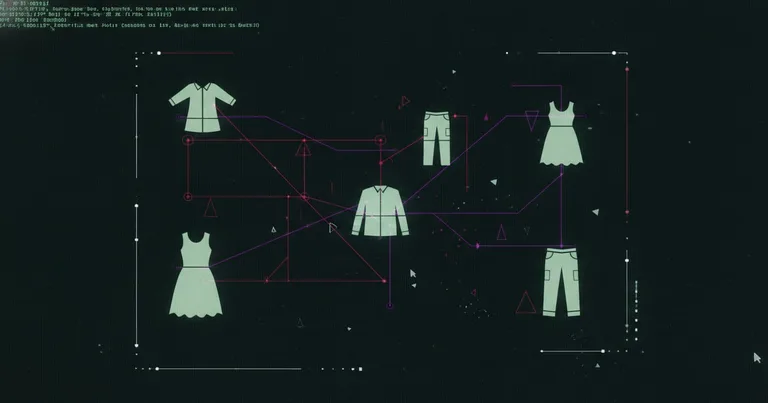
An engineering deep-dive into the retrieval-and-ranking pipelines Zalando uses to serve personalized fashion recommendations to 62 million active users.
Read more
The legal status of AI-generated fashion imagery is defined by a lack of human authorship. This guide reviews the EU AI Act and current copyright standards for technical teams.
Read more
A technical deep-dive into the evolution of cloth physics, tracing the shift from iterative PBD solvers to high-speed neural surrogate models for real-time garment simulation.
Read more
Diffusion or a GAN for colourway generation, print tiling and garment inpainting? The two families diverge on training stability, catalogue coverage, control surface, inference cost and the kind of mistakes they make.
Read more
A digital product passport is a resolvable record, not a QR code: the identifier layers, attribute groups, who is authoritative for each field, and how a scan resolves to the right payload.
Read more
The pose-estimation and silhouette-fitting pipeline behind two-photo body measurement, where it fails, and how confidence intervals are actually computed.
Read more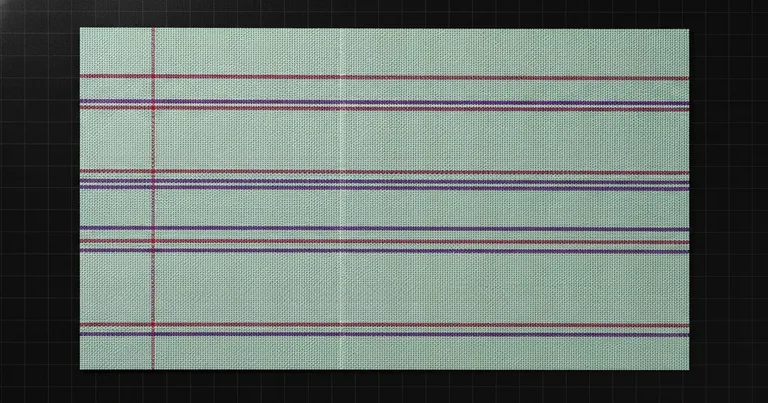
What a fabric scanner actually measures, how the optical and mechanical halves are encoded, and which values a cloth solver reads downstream.
Read more
Five concrete mechanisms explain how AI platforms turn a brand's existing .DXF archive into model input — and what each approach cannot recover.
Read more
A trend model only learns when its own error, measured against realised demand, comes back as a training input. Here is what that loop requires, and why the signal and the outcome need to live behind one schema.
Read more
Inline fabric inspection is anomaly detection over a near-periodic texture, which is why photograph-pretrained backbones disappoint and why labelling, not model capacity, is the constraint.
Read more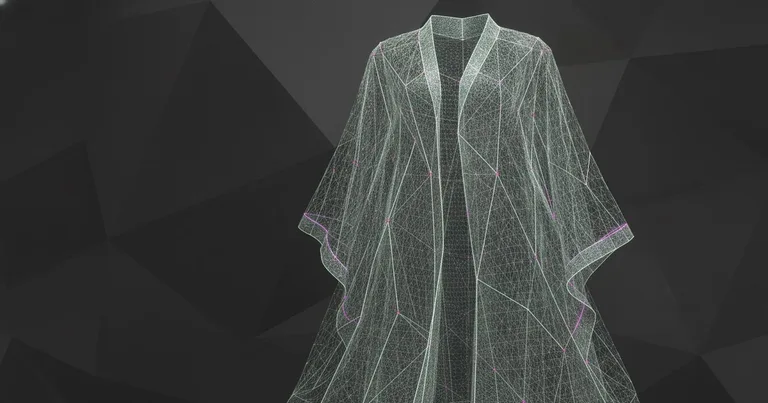
Flat sewing patterns lose the seam topology and grain data a model needs. Here is what a pattern file actually encodes, and which representations preserve it.
Read more
One brand's design data must never shape another brand's output. Here is how per-tenant databases, vector stores and model weights actually differ, and where these platforms leak.
Read more
A component-by-component walkthrough of the latent diffusion stack that produces fashion imagery, and which parts of it are worth fine-tuning on garment data.
Read more
The venture retreat from fashion tech is a correction against avatar theatre, not a verdict on software that changes what a factory cuts. Here is the distinction founders and investors should be pricing.
Read more
AI and 3D tooling have fixed a narrow set of production problems: approval samples on proven blocks, colorway iteration and on-model imagery. Here is what is documented, and what is still unsolved.
Read more
Solver-first or AI-first? Keep the cloth solver as the layer that owns geometry, and put learned models above it for realism, triage and throughput.
Read more
Fabric simulation solves geometry, not materials. Solvers compute equilibrium from tuned parameters, neural surrogates trade guarantees for speed, and nothing yet predicts real drape from a spec sheet.
Read more
No virtual try-on system simulates fabric, because image-space pipelines have no slot for stiffness, weight or weave geometry. Here is what the physics actually requires, and what better body data cannot fix.
Read more
Wrapping a hosted image model gives you a UI on somebody else's weights. The advantage that compounds is a group's own labeled pattern, fit and correction data, and the evaluation harness that keeps it honest.
Read more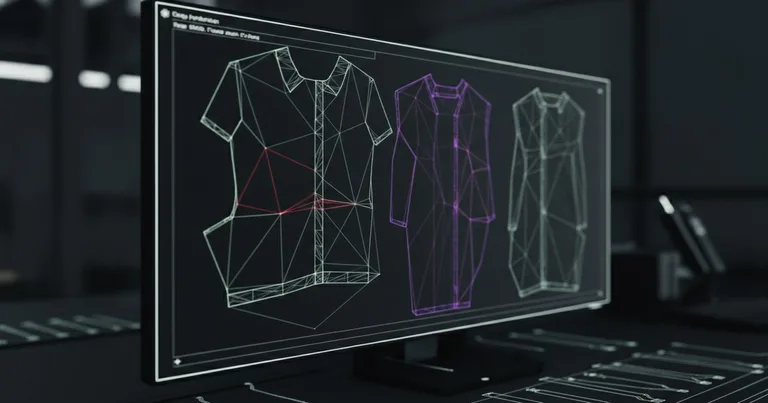
Large fashion groups do not buy one AI design tool, they build the layer underneath it. A reconstruction of how an internal AI platform is structured so non-engineers can ship tools without exposing proprietary product data.
Read more